

stories
Field notes from our creative journey:
the origins of Humboldt’s cocktails
Humboldt & Conservation
Alexander von Humboldt was one of the first thinkers to see the natural world as an interconnected web—where every plant, animal, and ecosystem shapes the other. His observations laid the groundwork for modern environmental conservation, inspiring generations of scientists and naturalists to protect the balance of nature. This seasonal menu celebrates Humboldt’s enduring influence through five original cocktails, each inspired by a place, story, or element of conservation—from the apple orchards of Yosemite to the Cinchona forests of Ecuador.
Tree Hugger
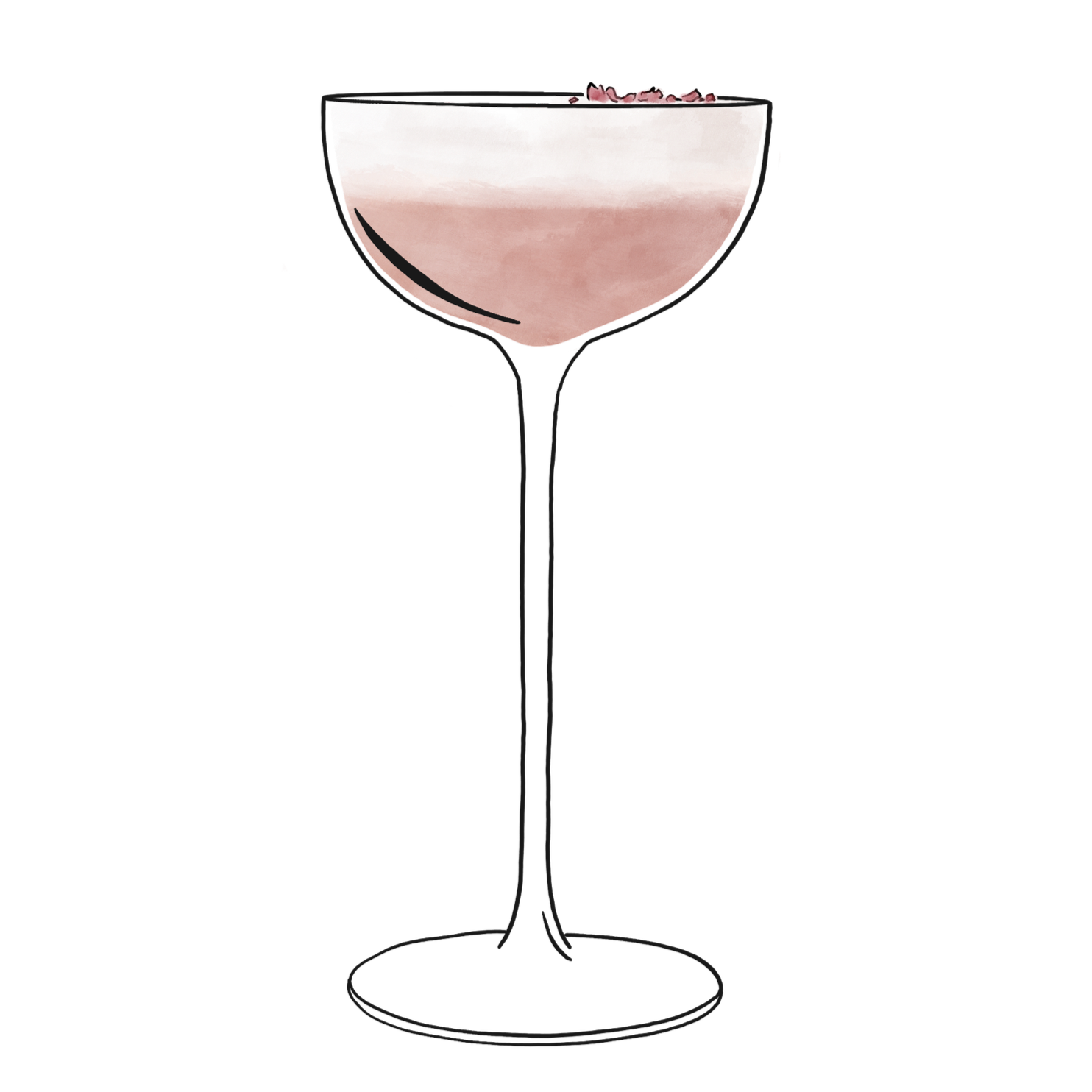
While travelling through Ecuador in the early 1800s, Humboldt observed the destructive harvesting of the cinchona tree — the primary source of quinine, a compound used to treat malaria. Stripping the bark killed the trees, driving the species to near extinction. He urged for a more sustainable approach, one that would preserve the forests rather than destroy them. Over a century later, his vision took root in a practice called mossing, where alternating strips of bark are removed and covered with moss, allowing the tree to heal.
This cocktail honours that moment of foresight and balance: cacao butter vodka evokes the flavours of Ecuador, Kina Rosé contributes quinine, and Lojana tisane—an aromatic herbal infusion inspired by traditional Ecuadorian horchata—is finished with toasted amaranth. A reminder that even in exploration, preservation matters.
Created in tribute to Humboldt’s influence on naturalist John Muir and, through him, the formation of America’s national parks.
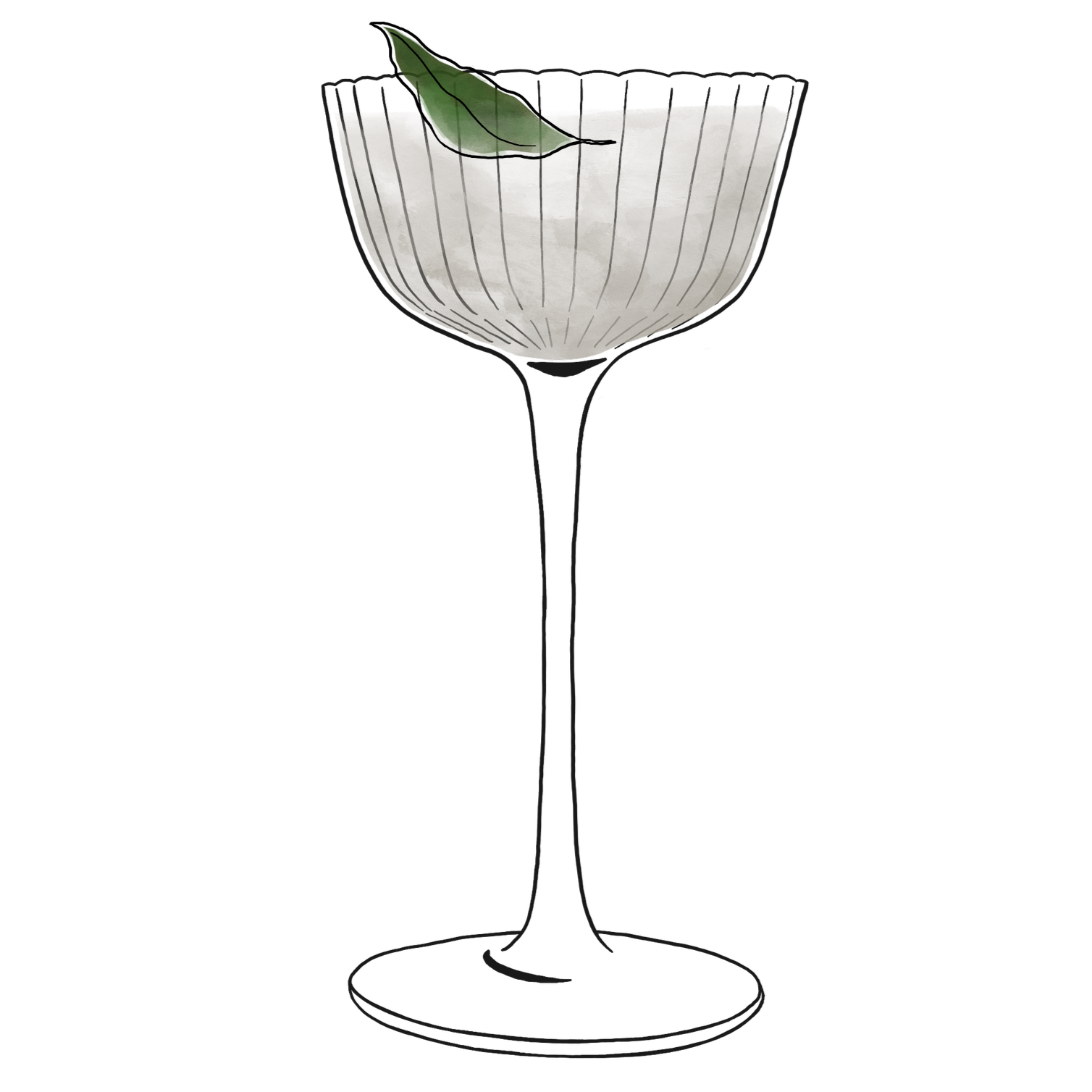
In the 19th century, John Muir’s advocacy for the preservation of wilderness helped secure the 1890 bill establishing Yosemite National Park. His writings reflected Humboldt’s revolutionary idea of nature as an interconnected system — a living web where every organism, landscape, and climate are intertwined.
Yosemite stands as a testament to that philosophy, balancing preservation with human connection, allowing people to experience the wonder of its valleys, granite cliffs, and forests while safeguarding its fragile ecosystems.
This cocktail mirrors that balance: Blanche Calvados evokes the park’s historic apple orchards — home to over 150 unique apple species — while Bay Laurel captures the scent of the forest floor, grounding the drink in the spirit of Yosemite itself.
Yosemite
Pingu Club
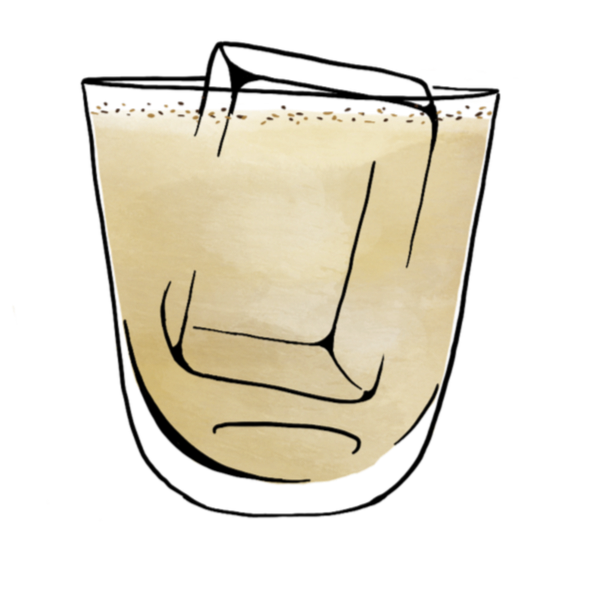
In 1790, while Humboldt was in London he met a young budding chemist named John Smithson. The two reconnected in Paris half a century later and would go on to form a relationship based on their mutual love of scientific knowledge and the belief that it should be shared for the benefit of humankind. Inspired by the Humboldt Penguin and the Smithsonian’s conservation efforts to protect their cold-current habitat, this drink blends Pisco, house-made Inca Kola, and clay-washed orange bitters — a nod to our favourite claymation penguin himself
Forty Nights & Forty Trunks
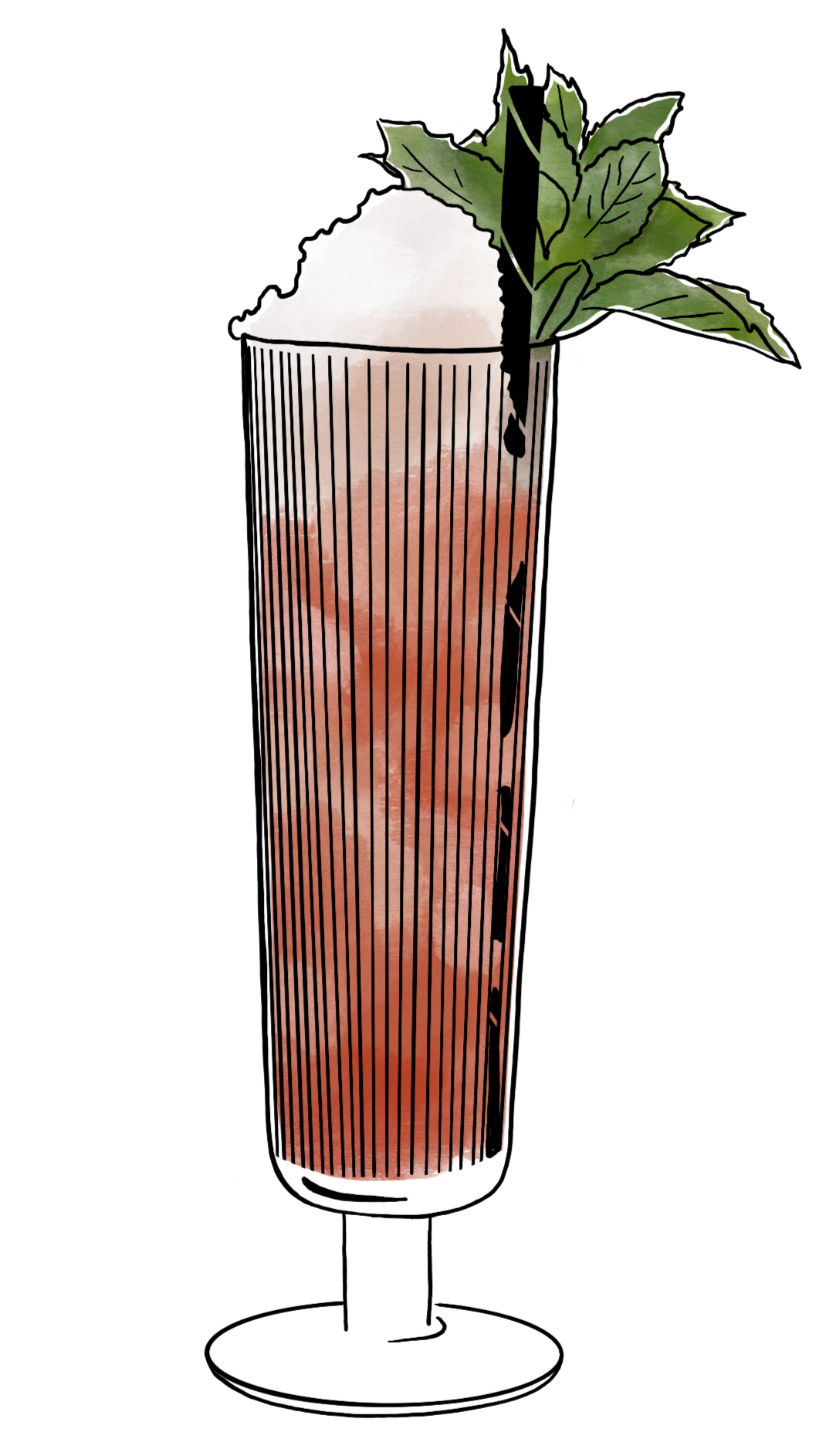
Meet Forty Nights & Forty Trunks, inspired by Humboldt’s near-death voyage through a Caribbean hurricane. As he weathered the storm, Humboldt’s only concern was for his forty trunks of specimens, what was to become his life's work. He survived forty nights at sea, and later charted the first isotherm maps, the foundations of modern climate science. This cocktail reimagines that journey with a Pan-American rum blend, Nardini Bianca, Humboldt Fassanola, ginger, lime, and mint. A nod to the sailors’ brandy rations and the classic Hurricane cocktail.
Range Water
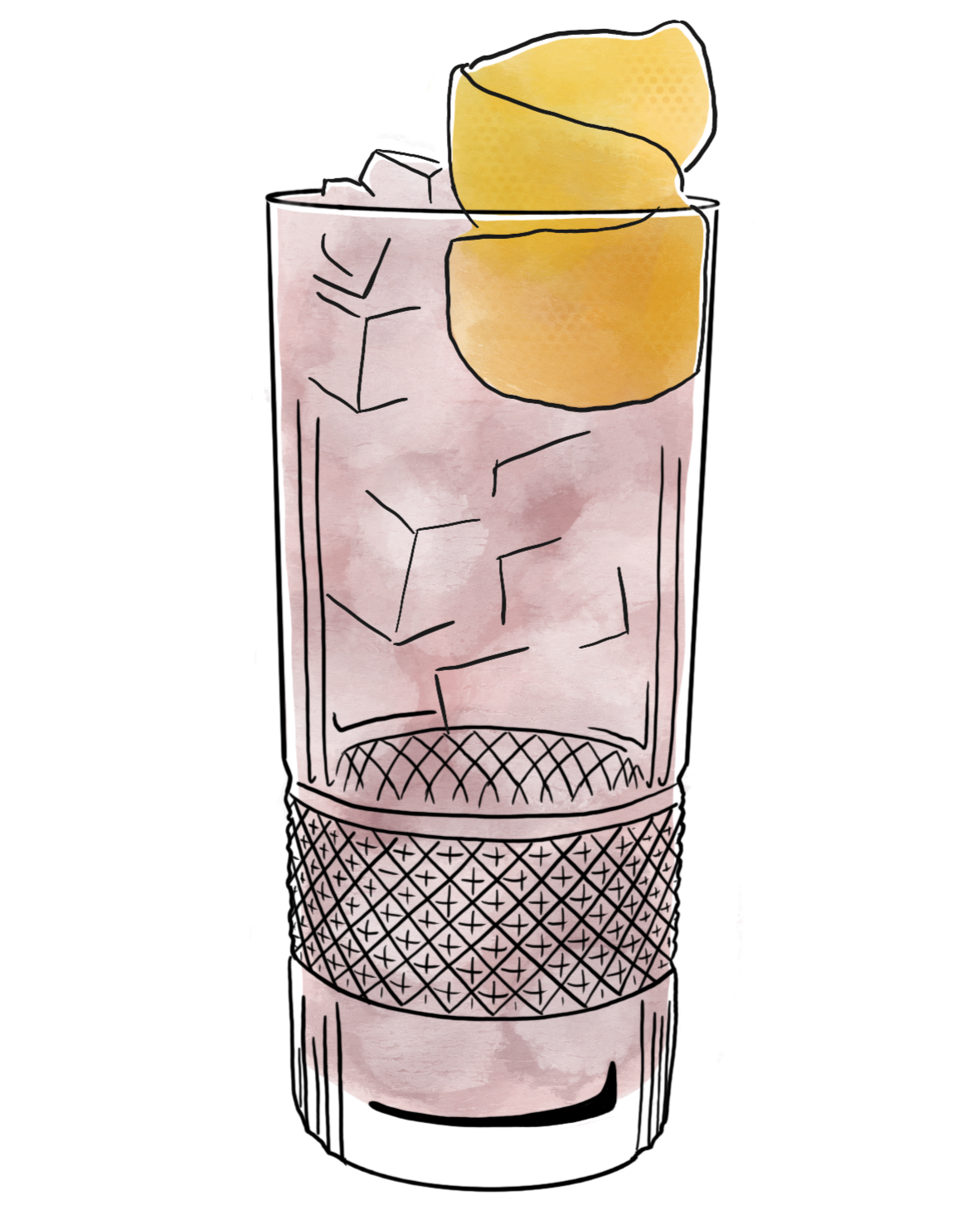
The narrative of this cocktail flows from the prairies of Humboldt, Saskatchewan to the shores of Lake Valencia in Venezuela.
The city of Humboldt on the Canadian plains was named after the great naturalist Alexander von Humboldt, whose travels and curiosity changed the way we see the natural world. While exploring Lake Valencia in the early 1800s, Humboldt observed the lake’s water levels dropping dramatically. Through his study of the surrounding forests and farmland, he became one of the first scientists to recognize that human activity — deforestation, irrigation, and overuse of natural resources — could alter climate and ecosystems.
That same awareness of interconnection continues in Humboldt, Saskatchewan today. The region’s fertile fields and delicate ecosystems rely on more than 100,000 bodies of freshwater, vital to sustaining its agriculture and communities. It’s a place that must remain ever mindful of water conservation — a modern echo of Humboldt’s early insight that nature, climate, and human activity are inseparable.
Each ingredient in Range Water reflects that relationship. Unaged rye speaks to the grain fields that stretch across Saskatchewan’s farmlands, while whey represents the province’s thriving dairy industry. Saskatoon berries bring a touch of the prairies’ wild sweetness, and mineral water, chosen for its purity and balance, mirrors the natural composition of the waters found in Humboldt itself.
Range Water is a drink rooted in place, history, and balance — a reminder that the water we share links us across continents and centuries.
Humboldt Original Cocktails
Each of our 15 original cocktails tells a story of the life and work of
Alexander von Humboldt.
Theory of Colours
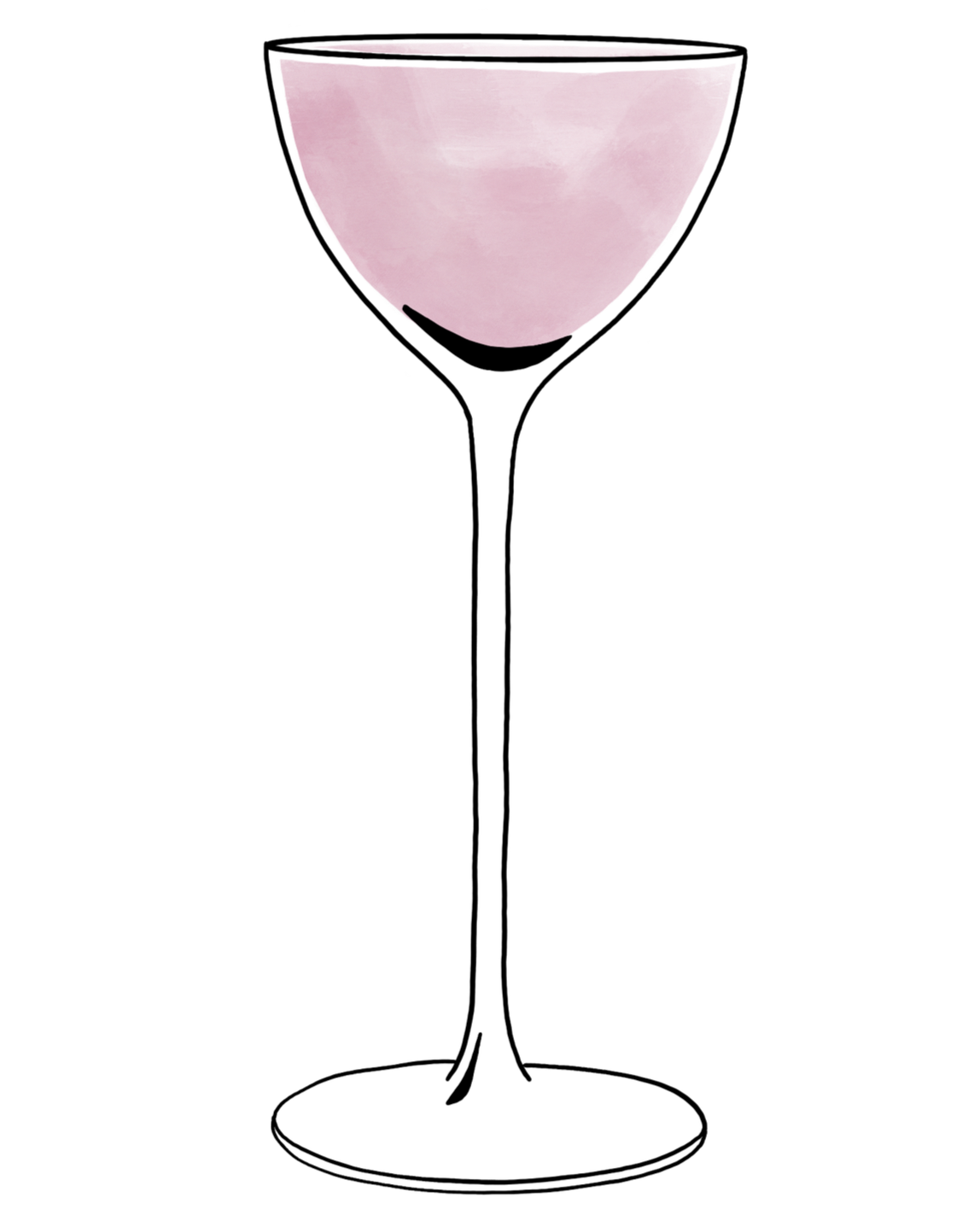
In 1794, a young Alexander von Humboldt made a trip to visit his brother Wilhelm, in the German city of Jena. At the time of Humboldt's visit, Jena was entering the first phase of "German Romanticism' sometimes affectionately referred to as 'Jena Romanticism'; an artistic movement rooted in emotion, imagination, and its connection to nature.
At the forefront of this movement was the literary figure Johann Wolfgang von Goethe, author of influential works such as 'Faust', 'The Sorrows of Young Werther' and 'Theory of Colours', the latter being a book on Goethe's fascination of colours, with a particular interest in magenta and the role of the eye being central to bringing the outer world inner.
Introduced by his brother Wilhelm, Humboldt and Goethe became fast friends. Often meeting in small Jena gardens during the early summer evenings, Humboldt, Goethe, and other intellectuals from the local university would discuss 'art, nature, and the mind'.
Goethe, an artist first and foremost, had a profound impact on how Humboldt viewed nature. He had only known observation through empirical research, was now encouraged to combine scientific data with an emotional response to what he was seeing. 'Nature must be experienced through feeling' he later wrote. A sentiment that would go on to form the backbone of his scientific research in his travels yet to come.
Cool Waters
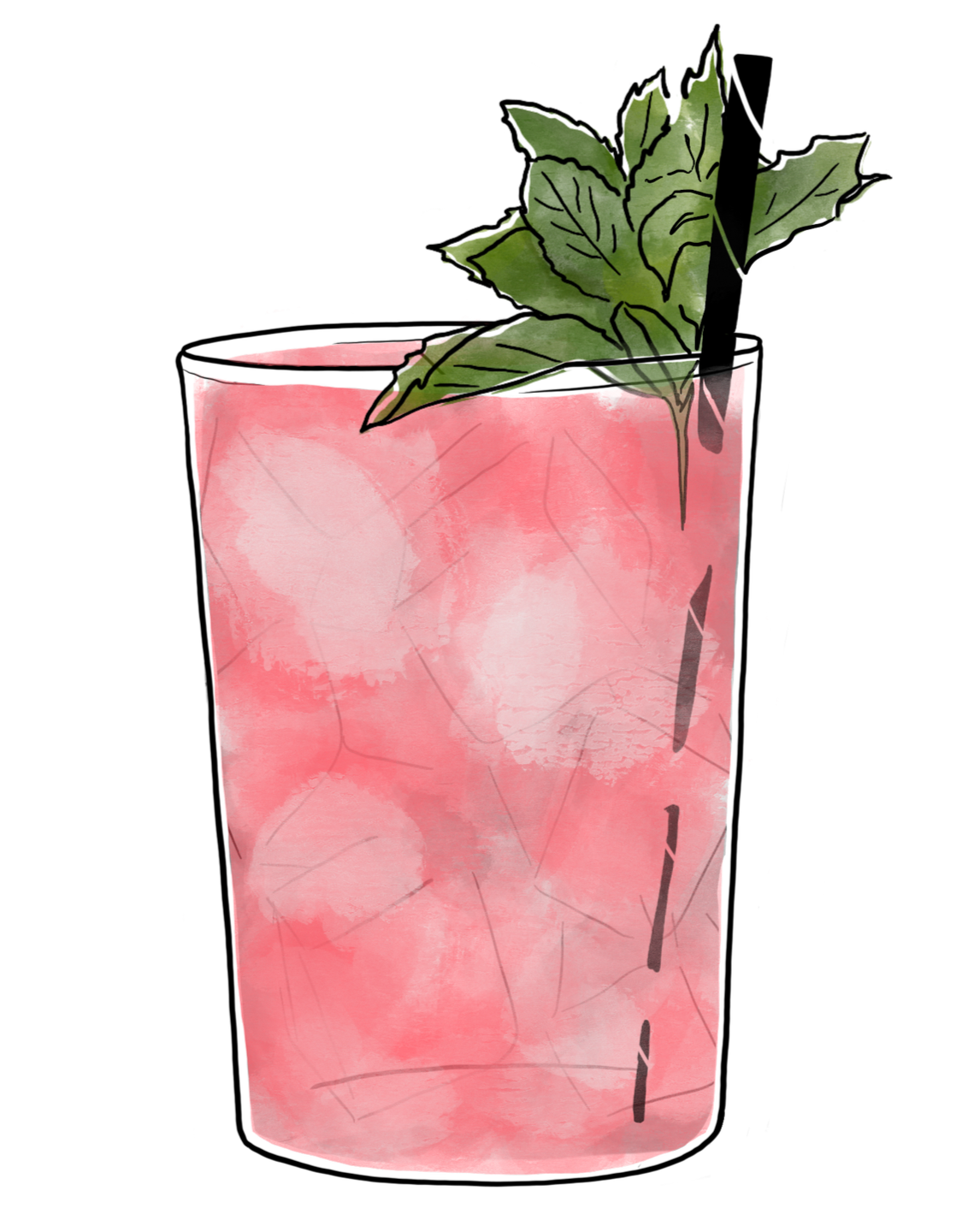
Named for the popular Mexican drink Agua Fresca, our cocktail Cool Waters is the perfect match for hot, sunny days.
This drink is inspired by Humboldt's time in Washington in 1804 spent exchanging ideas with Thomas Jefferson, the then-President of the United States and a fellow polymath. Jefferson had just purchased the Louisiana Territory the previous year and was eager to know everything about it and its bordering lands. Although they didn't always agree, Humboldt and Jefferson spent days discussing politics, nature, and the devastating effects of colonialism on people, culture, and climate— something Humboldt had witnessed firsthand in his travels through Latin America. Humboldt shared his wealth of knowledge and provided Jefferson with pages of maps, statistics, and agricultural information on the new territory and the much disputed bordering lands in Mexico.
Cool Waters combines ingredients reminiscent of both Mexico and the American South, as well as the traditional components of agua fresca— a split base of agave and corn spirits mixed with fruit, sugar, and water.
Hudson River School
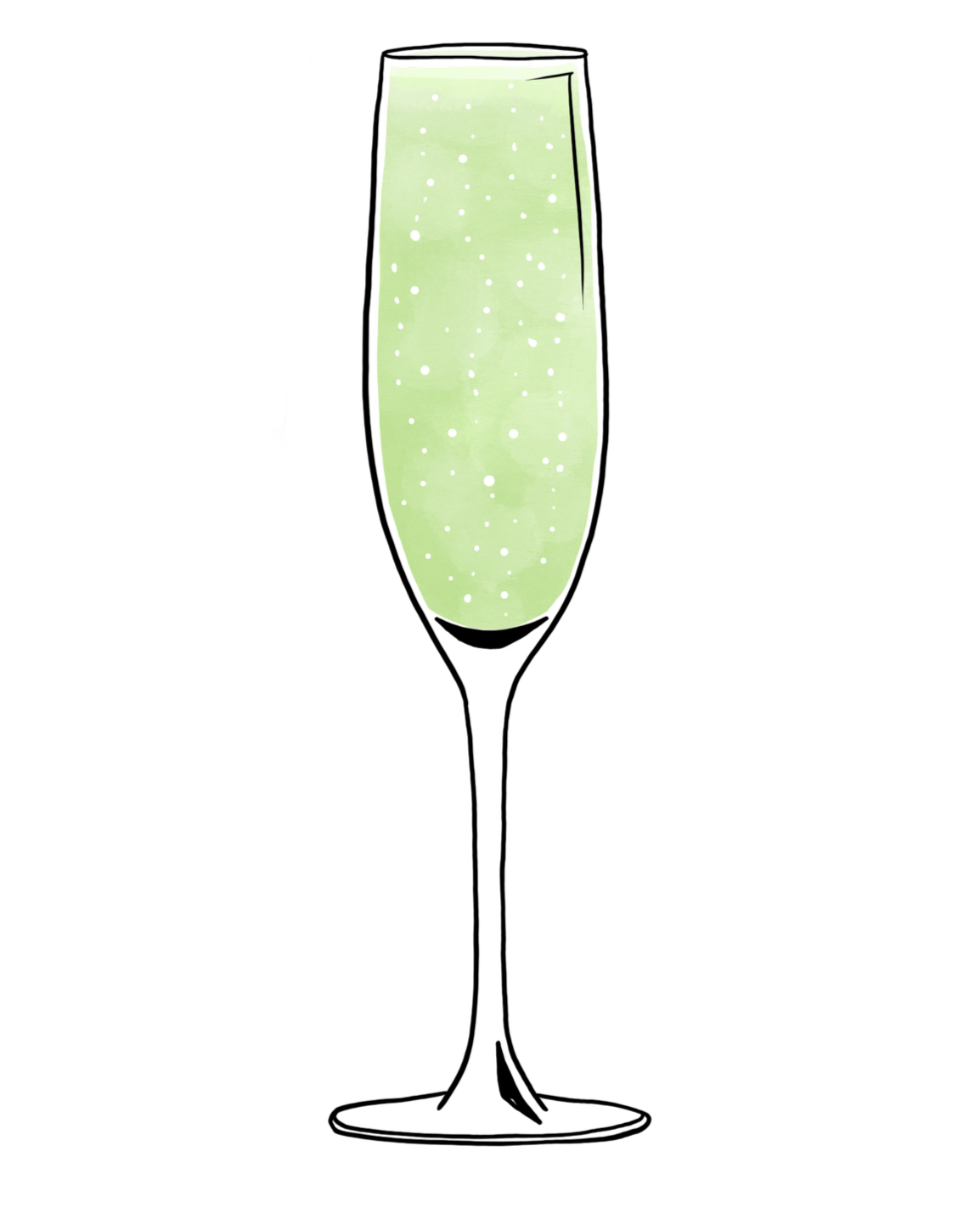
The Hudson River School is an art movement originating in the Hudson River Valley in the U.S. state of New York. Primarily landscape painting, the Hudson River School art style is typified by realistic depictions of nature and grand sweeping portraits of wilderness and greenery. While not only confined to paintings of the Hudson River Valley, the artists belonging to this school of art used the valley as an early source of inspiration, especially Thomas Cole. Considered the 'Father' of The Hudson River School, Thomas Cole's paintings of the Catskill Mountains are still regarded as an important catalyst and influence in landscape art to this day.
After Thomas Cole's untimely death, another key figure in the development of the Hudson River School emerged. Frederic Edwin Church was a student of Thomas Cole's and known to be a great admirer of Humboldt's. Inspired by Humboldt's writings on the beauty of nature Church sought to follow in Humboldt's footsteps and paint the landscapes depicted in his writings. Two trips to South America followed where Church would retrace Humboldt's steps. The landscapes that church would paint while in South America including 'Cotopaxi' and 'The Heart of the Andes' would go on to further cement the Hudson River School style into a defining feature of 19th century romanticism.
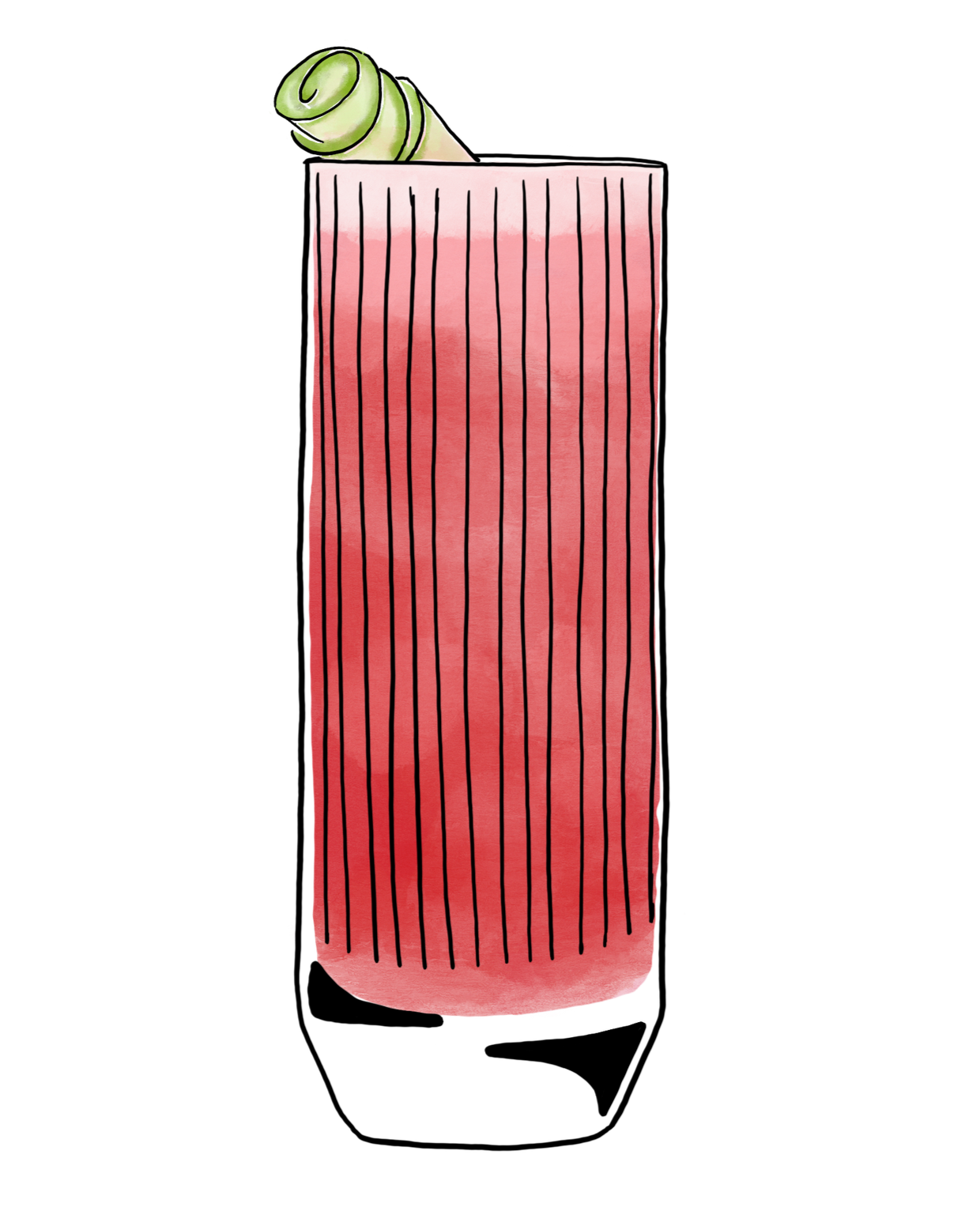
Desert Sketches
In July of 1800 Humboldt and his travel companion Aime Bonpland arrived in the Llanos. They had just spent weeks traveling through the dense jungle and were relieved to be surrounded by the vast openness of the grassland plains. Scattered throughout the flat lands were the tall, elegant palms of the Mauritia tree, each creating its own natural oasis of life. 'We observed in astonishment…how many things are connected with the existence of a single plant.'
The fruit of the Mauritia palm attracted the birds; the large fronds provided protection from the wind, and the soil around the trunks created much needed moisture for the insects. The Mauritia palm 'spreads life around it in the desert' and was the 'tree of life'. Unbeknownst to Humboldt what he was describing is what we now call a 'keystone species.'
By 1803, Humboldt and Bonpland had reached Mexico, where they were greeted with a completely different type of desert. In the arid planes of Coahuila was another keystone species; the Prickly Pear Cacti, specifically the Opuntia species. Humboldt noted their prevalence in the area and commented on the bright pink fruit that grows from the tips of the cacti that the locals refer to as 'tuna.'
Not only do the cacti provide a food source and shelter for life to flourish in the middle of the Mexican desert but they also supply unique economic and cultural uses for the local population. The pads of the prickly pear cacti house a distinct species of insect known as 'cochineal beetles.' Well known for their ability to produce a bright red dye, cochineal beetles have been cultivated in Mexico for over 2000 years and are used for various purposes including the dying of food, fabrics and textiles. Emphasizing the importance that one plant can have, the Prickly Pear Cactus even appears in the flag of Mexico and is a true representation of what Humboldt meant when describing the 'tree of life!
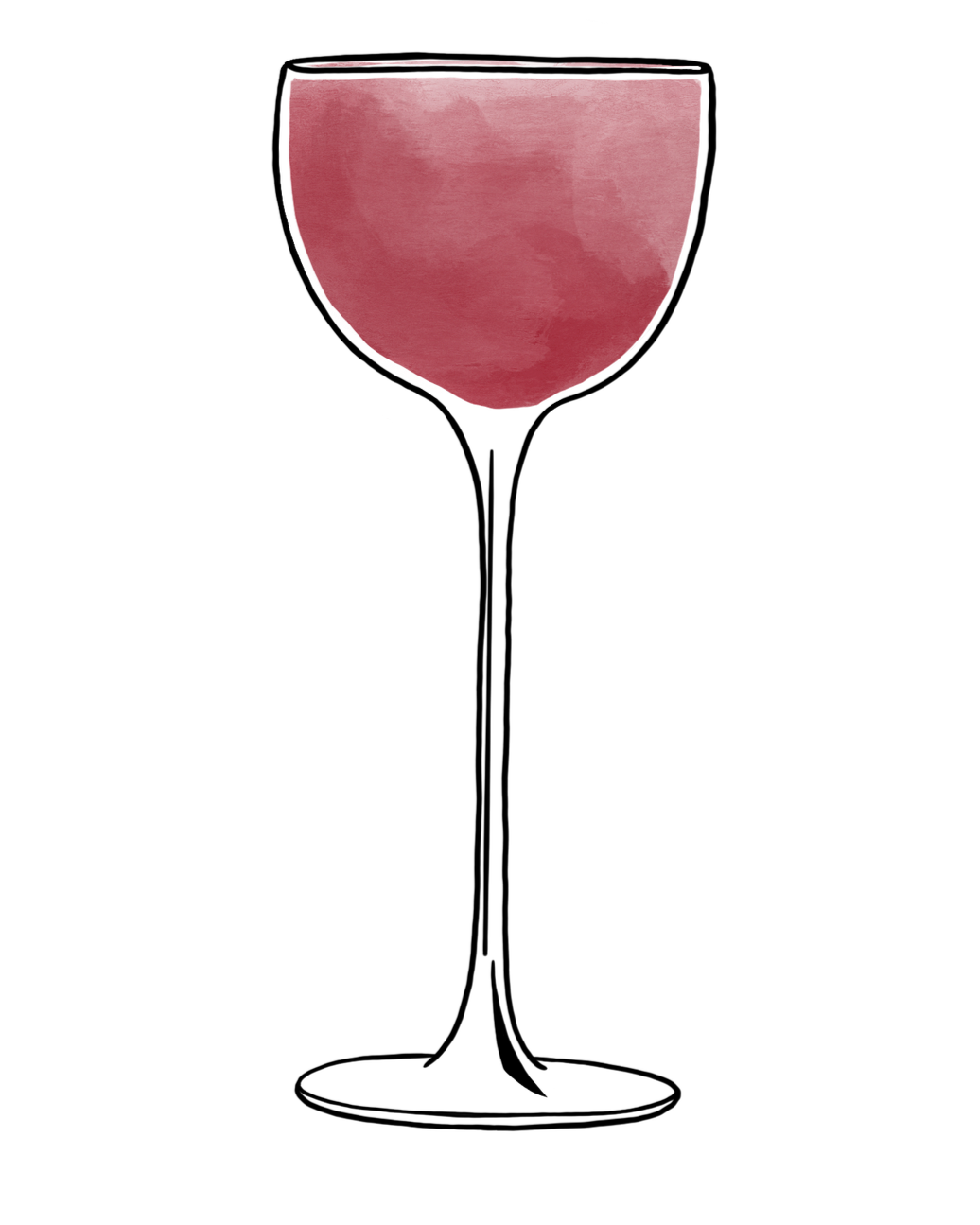
Oil Bird
In 1799, Humboldt visited the Caripe region in Venezuela. It was here, deep in the jungle that he visited Guacharo Cave, home of the nocturnal 'bat like bird known as the Guacharo, also known as the Oilbird.
Reaching the entrance of the cave Humboldt was greeted with the shrill screech of thousands of nesting Guacharo as if to ward off intruders (in fact some local legends describe the sounds residing deep into the caves came from the souls of their ancestors, and would refuse to disturb them). Torches lit, Humboldt followed the local guides further into the caves where he first lay eyes on this unique bird.
Oilbirds are the only nocturnal flying fruit-eating bird in the world, with a diet consisting of fruits high in oil and fat such as oil palm and avocado. These birds navigate through the dark using echolocation and have large eyes that have been specially adapted for night vision. Their breasts are loaded with fat, also known as Guacharo Oil. A clear and odorless liquid; Guacharo oil has been used for thousands of years by the indigenous population for things like cooking, torches and lamps.
In 1949, Guacharo Cave was designated Venezuela's first national monument and to this day is considered a significant tourist attraction for nature enthusiasts. 200 years separate Humboldt's visit to the Caripe Valley, but the fierce screeches of the Oilbird can still be sure to greet any who reach the entrance of Guacharo Cave.
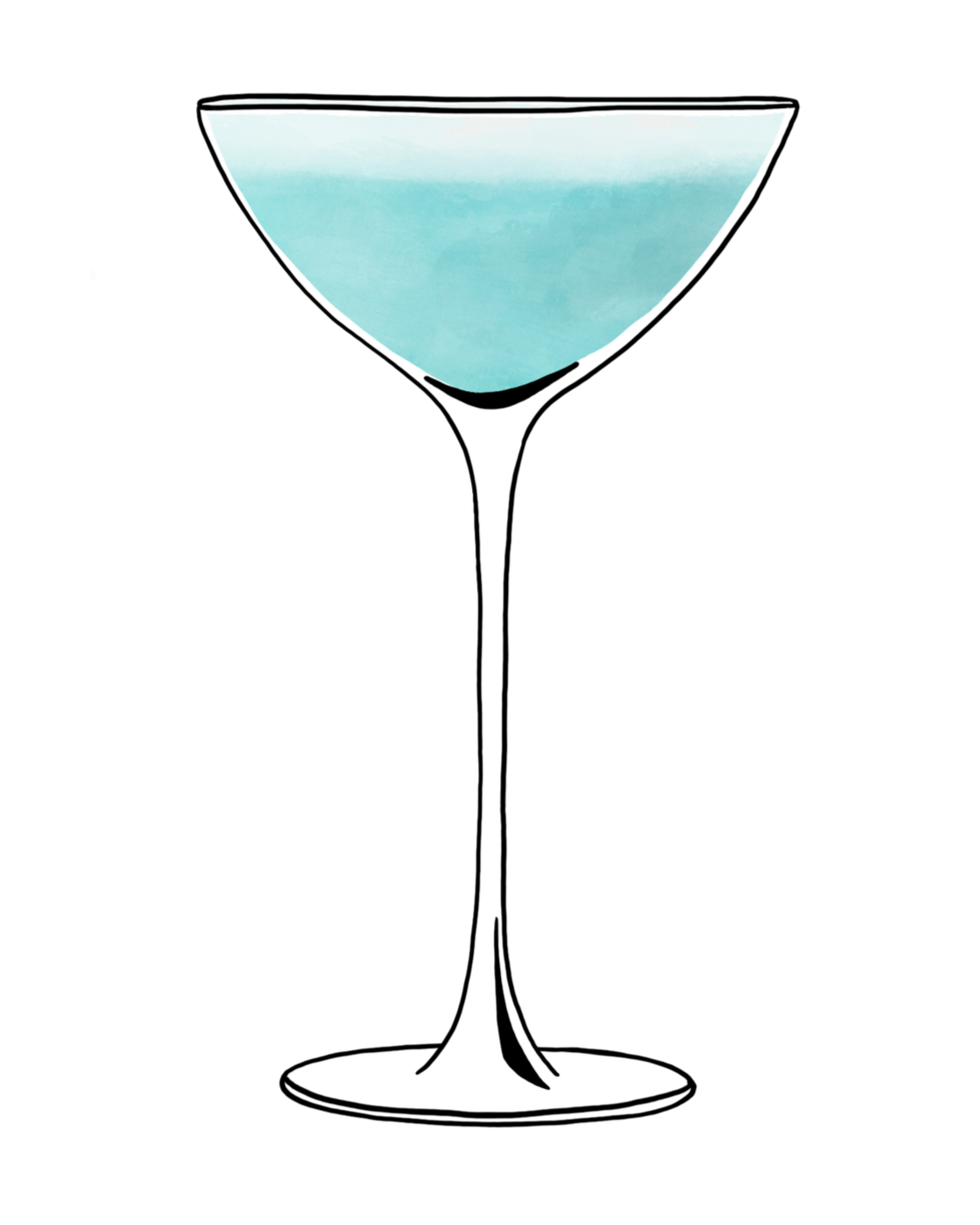
Cyanometer
In June of 1802, Humboldt arrived at the base of Mount Chimborazo, located in the Chimborazo region of Ecuador. At the time, the summit of Mount Chimborazo was considered the highest point on earth and still is, if measuring from the centre, due to its location across the equator. In a grand undertaking, Humboldt and his companions were determined to summit the vast volcano. Fuelled by scientific curiosity and a desire to experience nature, Humboldt began the summit, and with him was his trusted cyanometer. A device he carried everywhere, a cyanometer is an instrument used to measure the blueness of the sky. His particular interest on this day was the unique relationship between altitude and sky colour.
Without proper protective gear, climbing boots, and gloves, the ascent proved challenging. Reaching a record altitude of 5,875 meters came with severe altitude sickness, resulting in dizziness, nausea and bleeding from the nose. Ultimately it was a large crevice the stopped the journey, as it became apparent that it would be too dangerous to pass. However, the expedition was not a loss. Passing through each vegetation zone of the volcano Humboldt started to make comparisons between the zone itself and its altitude and temperature. Using these new concepts and gifted with a new vantage point near the top of Chimborazo, Humboldt started to grasp just how interconnected the world really was.
Excited with expanding on his ideas Humboldt and the rest of the group started the descent, but not before he brought out his cyanometer and set the record for the darkest sky ever measured.
Poison Dart
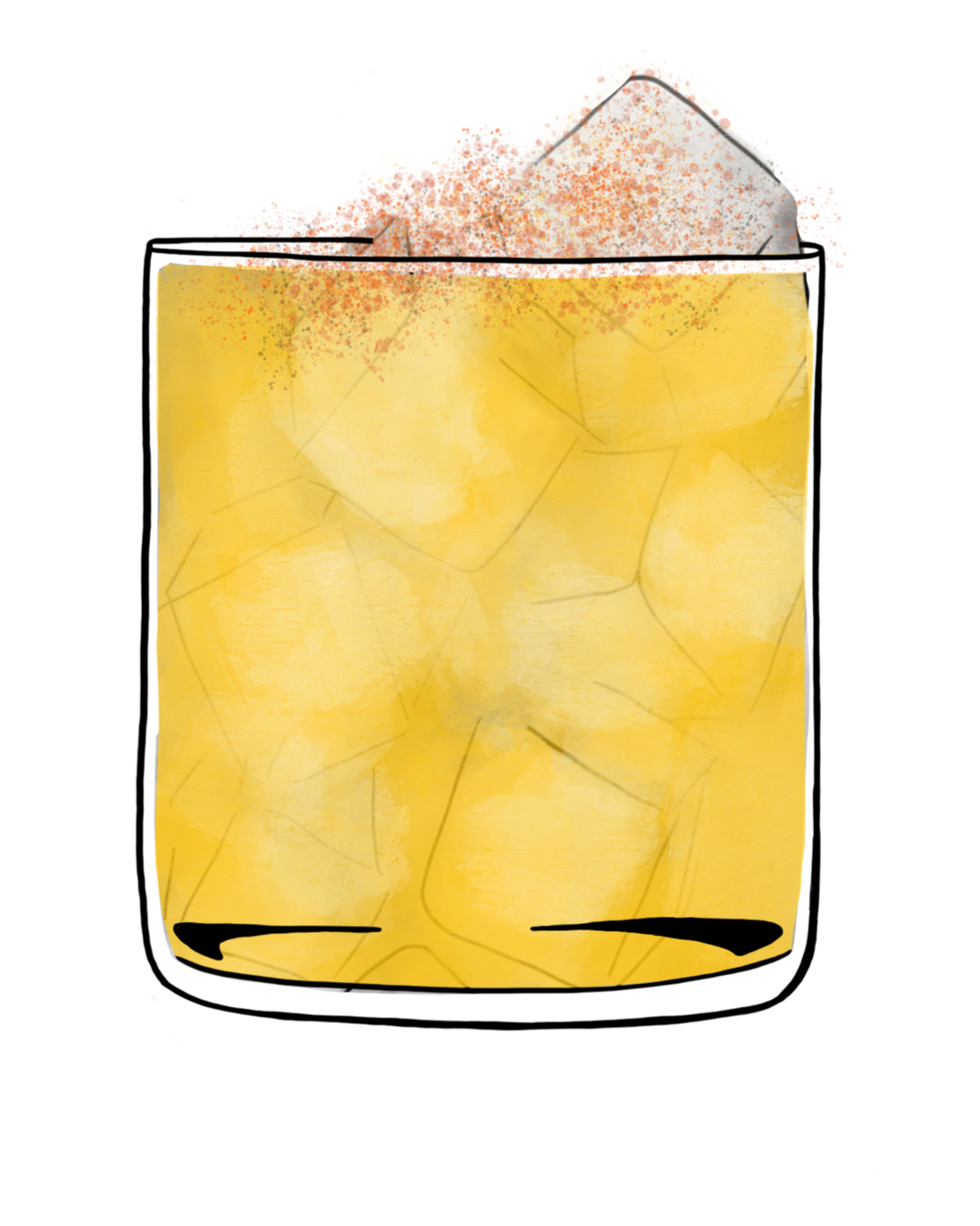
At the end of March 1800, Humboldt and Bonpland acquired a boat from San Fernando de Apure and set out along the River Apure eventually leading to the Lower Orinoco. Loaded with provisions and aided by the hired guide and pilot, Carlos de Pino, the aim was to find the existence of the Casiquiare (the link between the Amazon and Orinoco rivers). It took four months before their goal was reached and not without incident. They survived swarms of insects, confrontations with jaguars, and the constant threat of snakes and crocodiles, but these were not the only dangers. During his trip along the Orinoco Humboldt was fortunate enough to be taught the preparation method of 'curare' by the indigenous population living amongst the riverbanks. 'Curare' is a paralyzing poison made from various plant toxins that can be very deadly when it comes into contact with the blood. The indigenous people of the area primarily used this toxin as an arrow poison for their blow-darts.
Humboldt had brought some of this poison with him in a small container loaded among his other possessions. One day when reaching for a new pair of stockings, Humboldt observed a peculiarity. The socks appeared to be damp and upon further investigation it appeared that the source was the small container of 'curare'. A close call, as if he had not noticed this and had put the socks over his mosquito bitten feet it is likely that he would have experienced a very painful and slow death by sock poison.
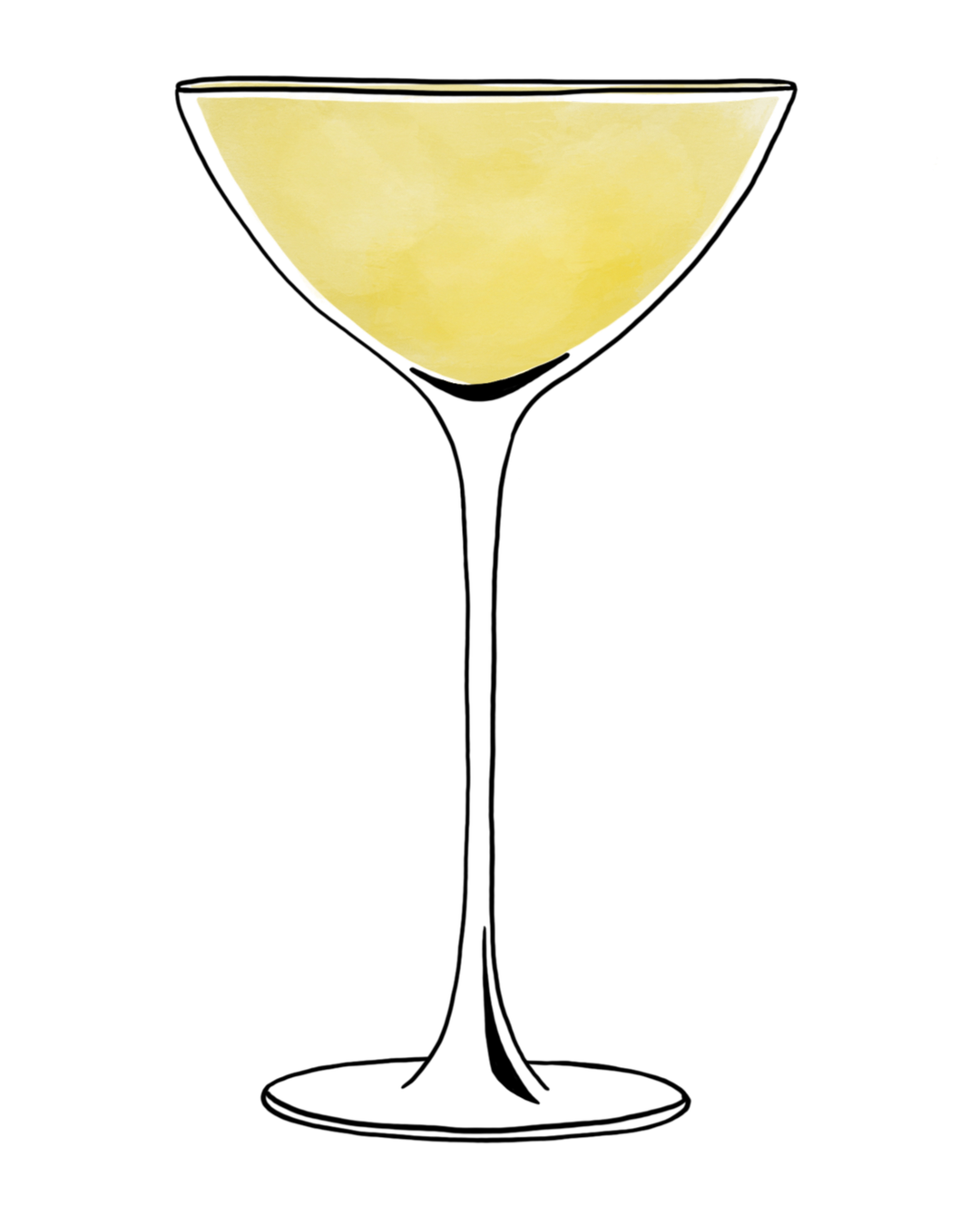
Life in the Woods
On July 4 of 1845, writer Henry David Thoreau left his nearby family home in Concord, Massachusetts and arrived at a self-built cabin on the edges of Walden Pond. Thoreau had grown tired of the bustle of everyday life and arrived seeking a simpler existence surrounded by nature. It was here in the seclusion of Walden Woods that Henry was able to immerse himself in his writing. Like Humboldt, Thoreau was fascinated with the interconnections of nature, but unlike Humboldt, his focus was on a smaller scale.
Thoreau elated in the beauty of his own little ecosystem. For two years, he documented his environment, with its changing seasons and abundance of life. Thoreau developed a close relationship with the plants and animals that he referred to as his 'neighbours'. He would take walks through the forest for his 'appointments' with the plants, often accompanied by the many critters that he called his friends.
Thoreau's experiences and observations while he was at Walden Pond culminated in the much-revered piece of American literature:
Walden; or, Life in the Woods.
As a writer and naturalist, it is no wonder that Thoreau took inspiration from Humboldt's work and Walden reflected this. He had read Humboldt's Cosmos, Views of Nature, and Personal Narrative, and spoke fondly of the influence it had over his own writing. In fact there was even a day when looking out at a rather bright shade of blue Thoreau called out: "Where is my cyanometer?!"
Lost Luggage
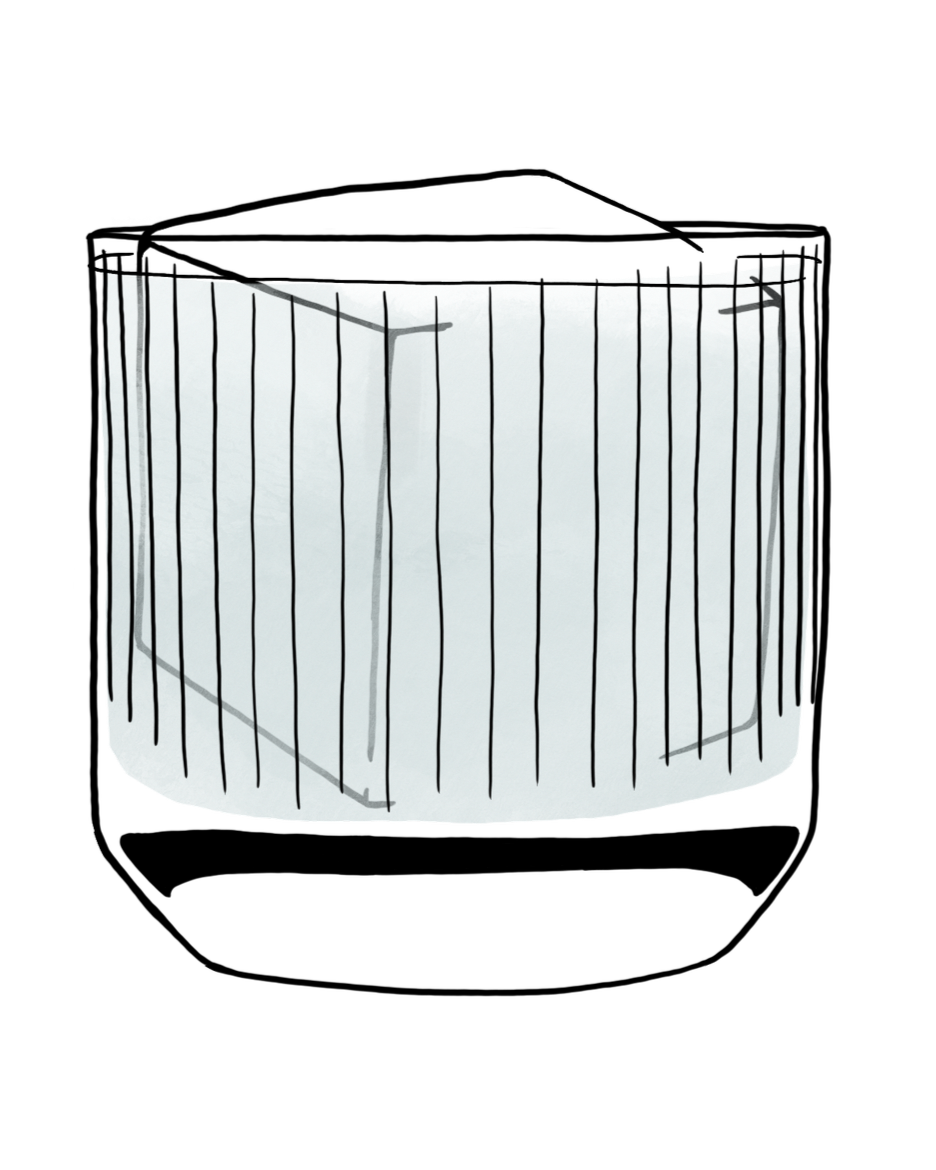
On February 23, 1799, the relatively unknown Humboldt arrived in Aranjuez, Spain to seek an audience with the King of Spain: Charles IV. Humboldt had set his sights on visiting South America and the only way was through the King. The fast-talking, charismatic Humboldt somehow managed a meeting with Charles IV where a passport was issued to Humboldt, but not without a catch. Humboldt's research into South America was to include extensive collections of plants, animals, seeds, minerals as well as mapping of specific geographical regions. The Spanish crown took a keen interest in these collections and so, a deal was brokered. Humboldt was given a passport with a written letter from the Spanish Crown that made it very clear that no one was to interfere with or hinder Humboldt's work. In exchange Humboldt would send back his collections of natural resources by boat.
Some of Humboldt's collections did make its way back to Spain but curiously no plant samples. In his time in South America, Humboldt collected 4,200 plants, none of which reached the shores of Spain. No one knows for certain why this is. Could it be that his growing disdain for the Spanish Crown influenced Humboldt's decision on whether to uphold his end of the bargain, or perhaps the remains of a ship involving thousands of plant samples sits somewhere in the bottom of the dark ocean depths of the Atlantic.
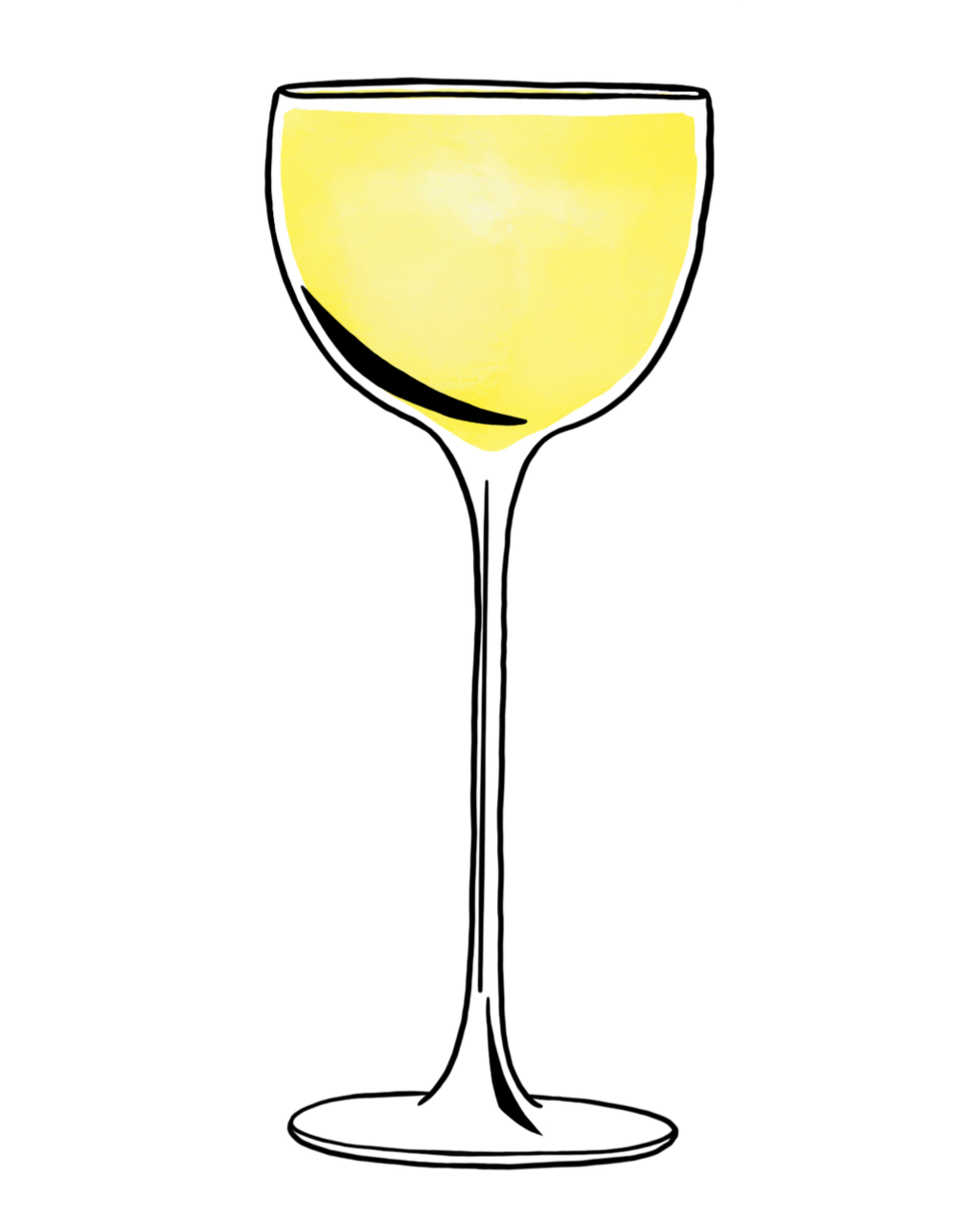
Diamond of Urals
In 1829, a now white haired Humboldt was searching for his next adventure. The 3 decades following his trip to Latin America were not without their challenges, as Humboldt tried and failed to organize an expedition to another part of the world. Observing other climate zones, vegetation zones and geological formations would be crucial for Humboldt and his ability to fully compare the data that he had collected in South America 30 years prior.
With time quickly passing and nothing on the horizon, Humboldt had all but given up hope. Just when it looked as if all doors were closed and his dream of completing his life's work would forever elude him, Humboldt received an invitation.
The invitation was sent by none other than the Russian Tsar, Nicholas 1. The proposal was to be an all expense paid expedition through Russia for the 'advancement of sciences,' although the Tsar had other motives as well. Humboldt's background as a mining inspector and his depth of knowledge in geology proved to be the perfect fit to observe and investigate the slowly depleting mines and outdated mining methods in Russia at the time.
Humboldt reluctantly agreed but not before making a bold claim. Based on his observations in the mines of South America, Humboldt noticed that diamonds often occurred in the presence of gold and platinum deposits. Gold and platinum deposits were relatively common in the Ural Mountains but no diamond had ever been found outside of the tropics at the time. Humboldt was sure that were there was one you would find the other and promised to find diamonds in Russia.
During the expedition, Humboldt was accompanied by a man named Count Polier, who had watched as Humboldt searched for diamonds throughout Russia and was inspired by his conviction.
On July 1 Polier departed Humboldt's group and arrived at his wife's estate which was located near Yekaterinburg, where they mined gold and platinum. Polier quickly instructed his men to look for diamonds and within the first 2 hours the first diamond was found in the Ural Mountains. Within a month a total of 37 diamonds were found in Russia. Tales of Humboldt's feat grew and Humboldt's name quickly became synonymous with mystery and magic, as people saw his knowledge of the location of the diamonds in the Ural Mountains to be otherworldly.
Cosmos-Cola
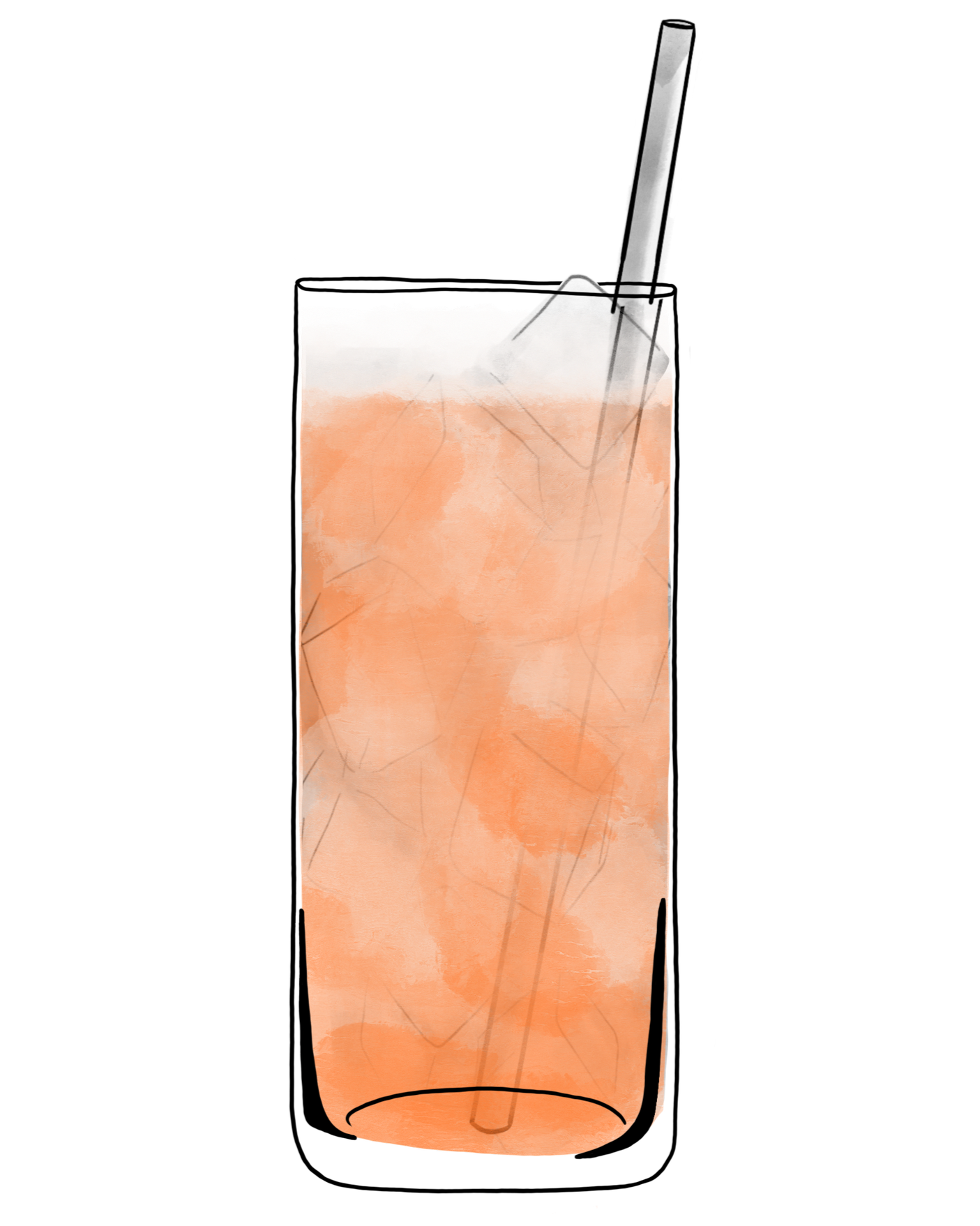
It was in the hallways of his Paris rental home that Humboldt was first introduced to the young scientist Aime Bonpland. A botany box slung over his shoulder, it was obvious the two shared common interests. Not only did they bond over their love of botany but also their shared 'fernweh', a german word that translates to 'far-sickness' the opposite of 'home-sickness.' It wasn't long before a trip to South America was charted and on June 21, 1799, the two friends set sail on board the Pizarro, arriving in Venezuala approximately 40 days later.
Their journey through Latin America lasted 5 years and included what is now Venezuela, Cuba, Columbia, Ecuador, Peru, Mexico and the United States.
The South American jungles were home to many dangers. The two friends survived close calls with jaguars, sinking canoes, crocodiles, snakes, and even a bout of malaria. When Bonpland was sick, Humboldt was by side using the bark of the cinchona tree for treatment, a plant known for its anti-malarial compound quinine.
In Mexico, they tasted the bright pink 'bubblegum cucumber' fruit of the prickly pear plant. In Venezuela, they explored the caves of the unique bat-like guacharo or 'oilbirds'. In the amazon basin when their supplies were almost out they cracked open the exotic Brazil nuts, which revealed the nutrient rich seeds that Humboldt, went on to introduce to Europe.
They climbed the Ecuadorian volcanoes Mount Chimborazo and Cotopaxi, almost died from poison soaked socks and even met the president of the United States. They categorized over 60,000 plant species and sent many of them to his their friends belonging to the 'republic of letters' all while consuming ample amounts of natural process coffee.
The journey had a profound effect on the two men. Bonpland in particular had grown so fond of South America that he eventually moved to Argentina to open a yerba mate farm and live out the rest of his days. Even though many miles separated them, the two kept in touch until the end having formed a lifelong friendship. Humboldt would later describe Bonpland as "my most cherished companion for over half a century."
Lima, Peru was the final stop on Humboldt’s travels in Latin America. It was a bittersweet moment for the explorer as he was excited to return to Europe and publish his findings from the previous five years and yet, he was saddened that his adventure was coming to an end. He didn’t know it at the time, but Humboldt would never return to Latin America after leaving Lima in 1804. We like to picture Humboldt spending the last days of his trip wandering the markets of the port city and taking in the sights and flavours of Peru.
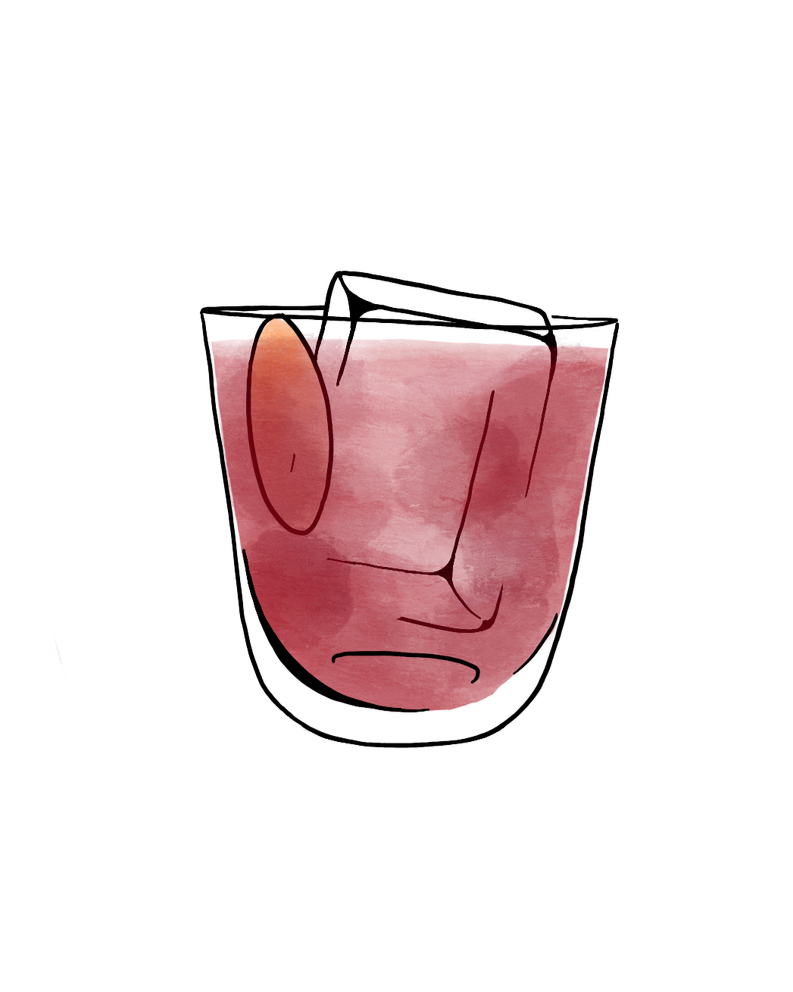
Leaving Lima
Cotopaxi
In the late 1790s, the beginnings of a new debate among scientists had begun. On one side were the Neptunists (for water), named after the roman god of the ocean, Neptune. They believed that the earths land was carved by water, creating rocks through sedimentation, slowly building geological formations out of the ocean. The other side were the Vulcanists (for heat), named after the Roman god of fire, Vulcan. They believed that violent erupting volcanoes were the cause of the earth rising out of the ocean.
Humboldt was a Vulcanist and desperately wanted access to more volcanoes to study, as there was only two active volcanoes in Europe at the time, both in Italy (Etna and Vesuvius). Luckily, Humboldt was soon heading to South America— Home of the Andean Volcanic Belt. Sitting along the pacific rim of fire it was a perfect place to study volcanoes.
Often wearing only Parisian street clothes Humboldt climbed Silla de Caracas in Venezuela, and Pichincha, Cotopaxi, Antisana, and Chimborazo of Ecuador.
While climbing Pichincha, Humboldt managed to get to the summit and, on his hands and knees, crawl up to the crater. Every 3 minutes violent tremors shook the base he was perched on but he remained calm. Finally reaching the center of the volcano Humboldt looked in. Blue flames shot up from inside the earth almost suffocating him with sulphuric vapors. Humboldt later wrote 'no imagination would be able to conjure up something as sinister, mournful, and deathly as we saw there.'
In the next 20 years, it was conceded that Humboldt and the other Vulcanists were correct. Humboldt's research in volcanoes not only greatly contributed to the Vulcanist community but also made him the most accomplished mountaineer in the world at the time, although inadvertently.
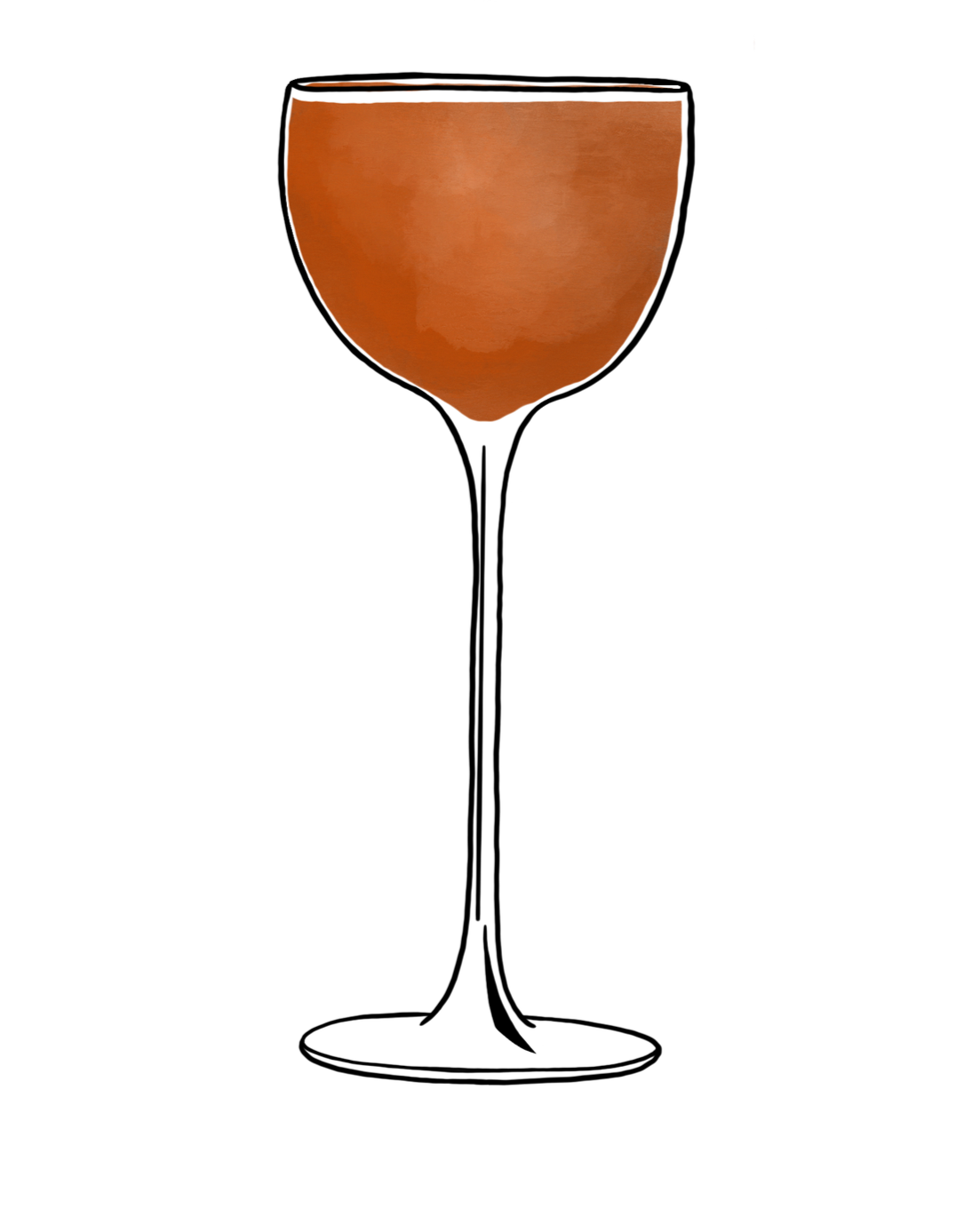
Concentrated Sunbeams
Alexander von Humboldt enjoyed dedicating himself to his work so much that night and day seemed to blend together. The only way he could keep up with his own racing thoughts and ideas was by sleeping very little. Averaging roughly four hours of sleep per night, Humboldt would fuel his waking hours with coffee— 'concentrated sunbeams', as he would call it.
The coffee which he drank was likely more similar to what we refer to today as 'natural coffee.' Natural coffee is more prominent in countries where water is less abundant, practicing waterless production, and keeping the fruit on the bean to ferment in the sun. The result is a far fruitier coffee flavour to keep your eyes open— or in our case— to pour this cocktail through.
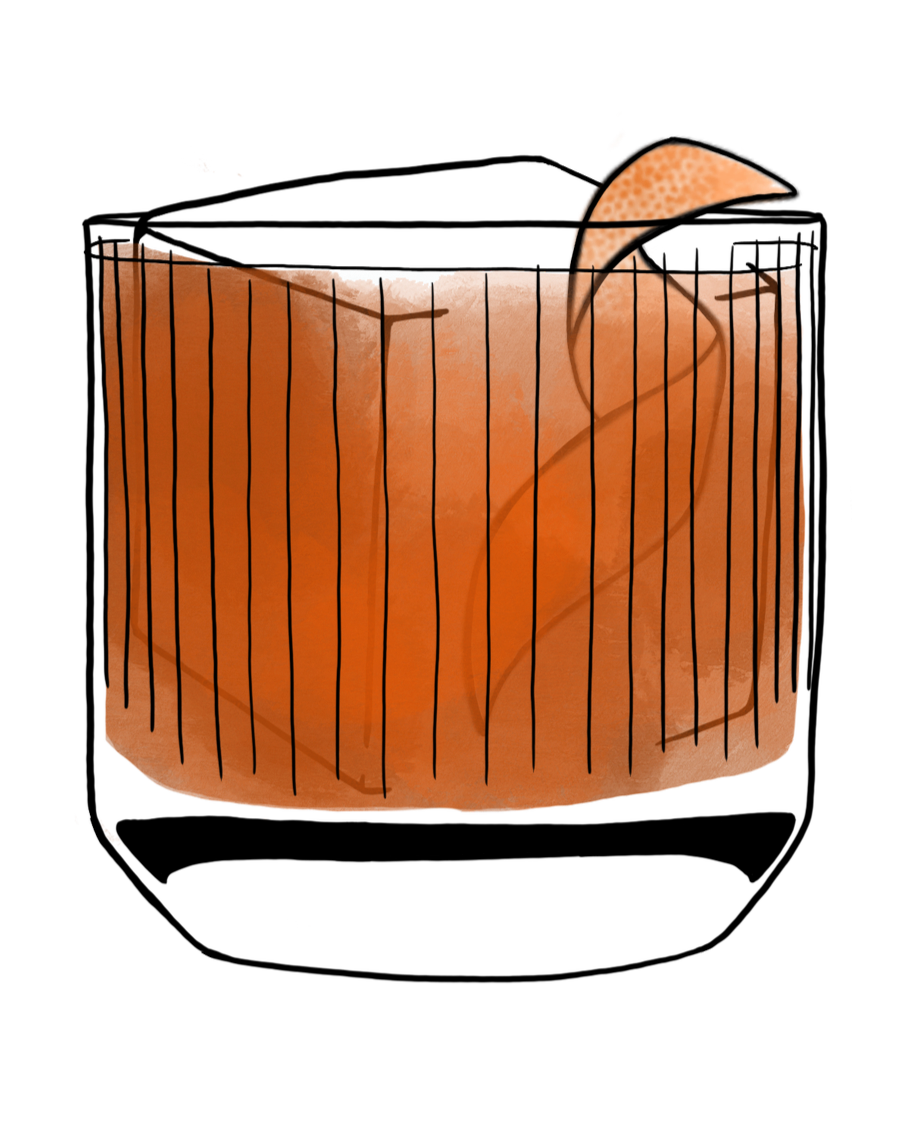
Republic of Letters
Alexander von Humboldt had an extensive network of correspondence with scientists and explorers worldwide. Through these letters, he exchanged ideas, shared discoveries, and fostered global collaboration, significantly advancing scientific knowledge in the 19th century. For Humboldt, knowledge had no borders or political allegiances, he believed in sharing information freely. This network helped to create a connected and collaborative scientific community, bridging geographical and disciplinary boundaries— what Humboldt would call his "Republic of Letters."
An exploration of terroir and time. Classic style cocktails using the world’s greatest spirits, distilled with generational knowledge and agricultural expertise. Each cocktail studies the tradition, heritage, and craftsmanship behind the world’s finest distilleries.
Masters’ List
Chihuahua Old Fashioned
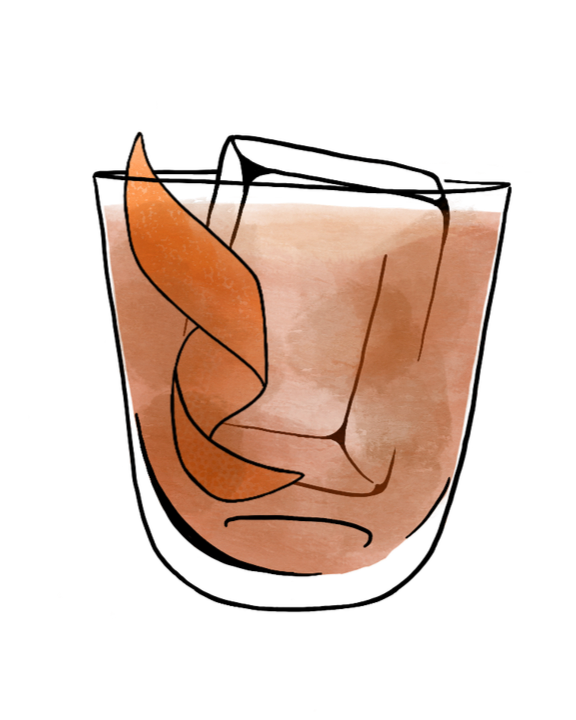
Flor del Desierto Carnei Pechuga Sotol
Distilled by master sotolero José “Chito” Fernadez Flore in Madera, Chihuahua
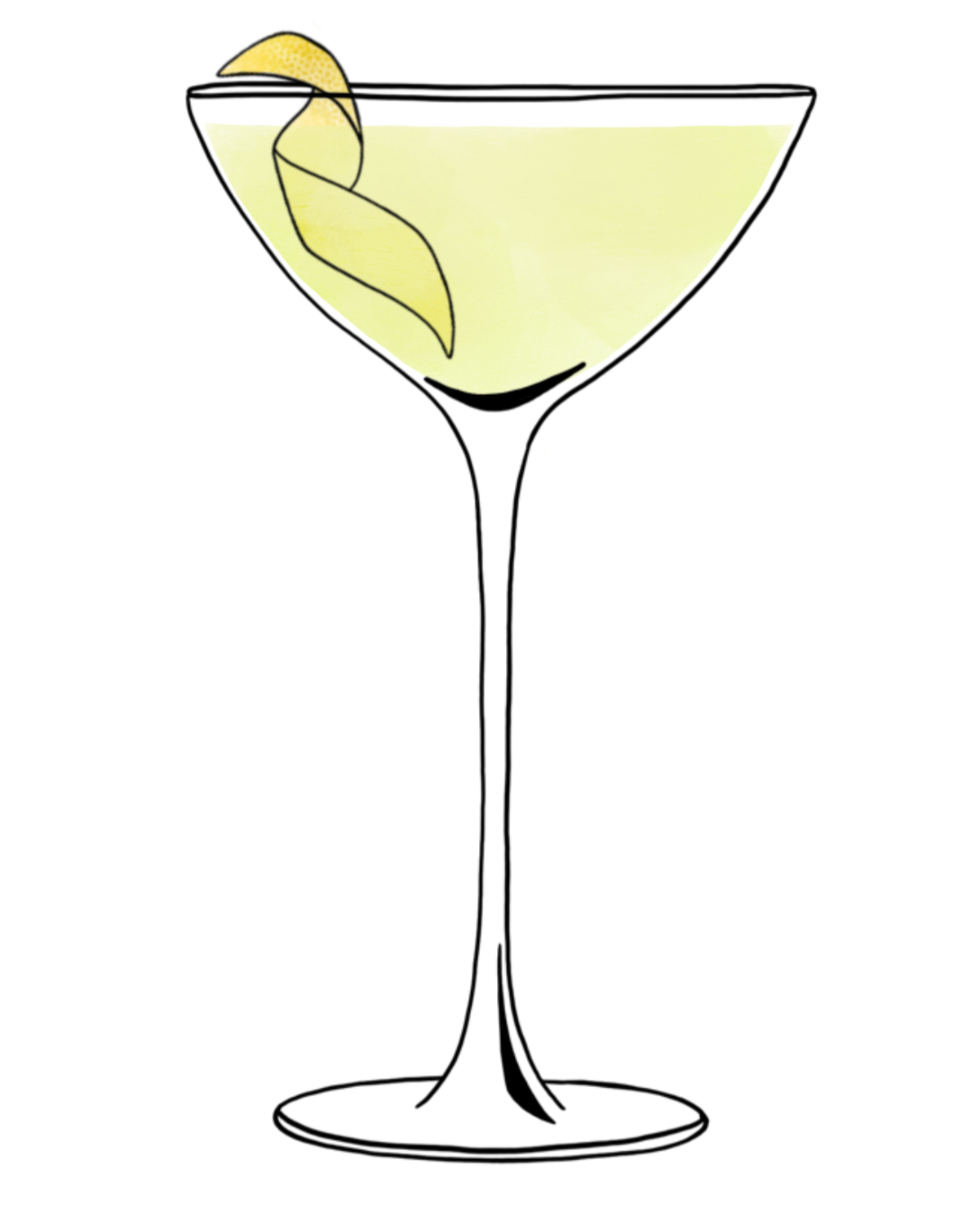
Savoury Martini
Laurent Cazottes Goutte de Poire Williams Eau de Vie
Farmed & distilled by Laurent Cazottes in Villeneuve-sur-Vère, France
Tommy’s Margarita
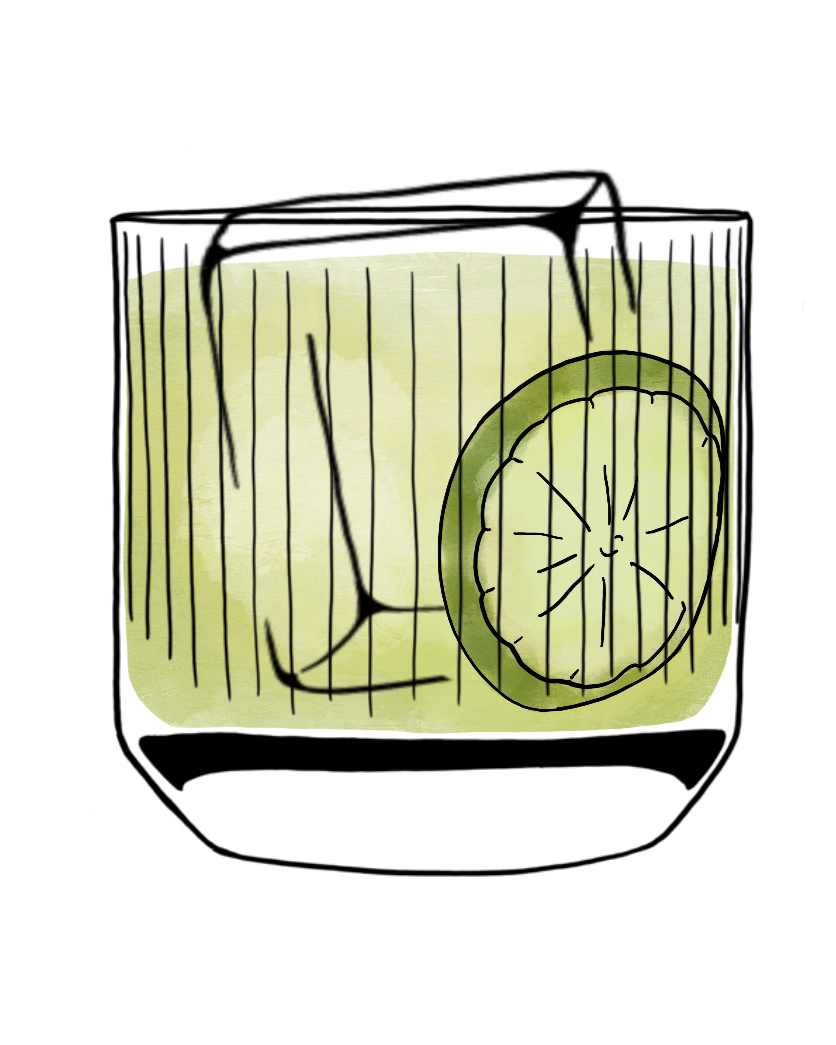
Tequila Fortaleza Blanco
Distilled by 5th generation tequilero Guillermo Erickson Sauza in Tequila, Jalisco
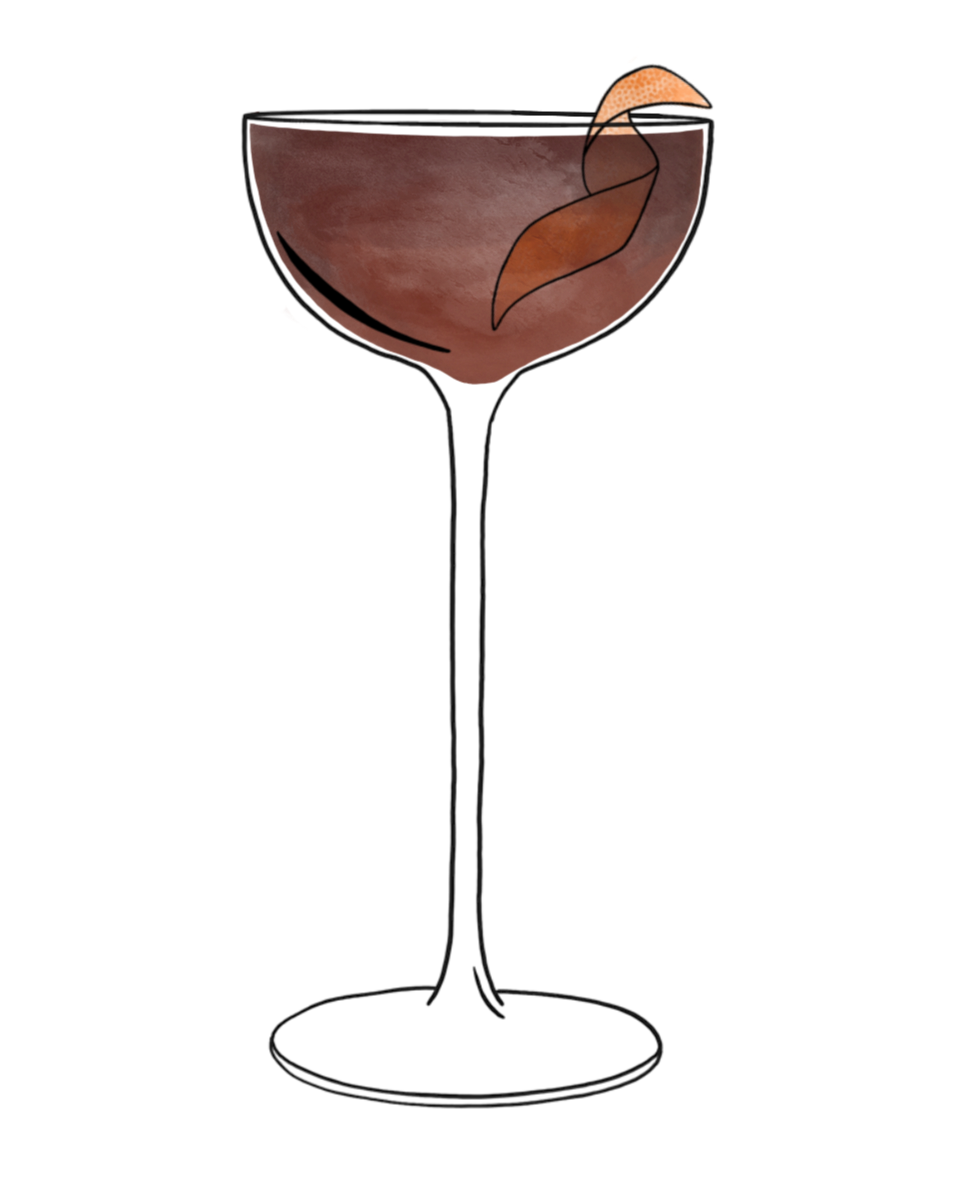
Manhattan
Michter’s US*1 Kentucky Straight Rye
Distilled by Pam Heilman, matured by Andrea Wilson
Humboldt Highball
Waterford Luna 1.1 Biodynamic Single Malt Irish Whisky
Founded by Mark Reynier, distilled by Ned Gahan, and farmed by Trevor Harris, John McDonnell, and Alan Mooney, in Waterford, Ireland